This service was launched as part of the “Open Science for Ukrainian Higher Education System” (Open4UA) project under the “ERASMUS-EDU-2023-CBHE” program.
All registered Library users can receive comprehensive support for the research data management process. We provide consultations and organize training sessions on various aspects of research data management.
- The service is free of charge and available both in person and remotely.
HOW TO USE THIS SERVICE
To receive a personalized consultation or schedule a training session, please contact a research data management specialist in the way that is most convenient for you:
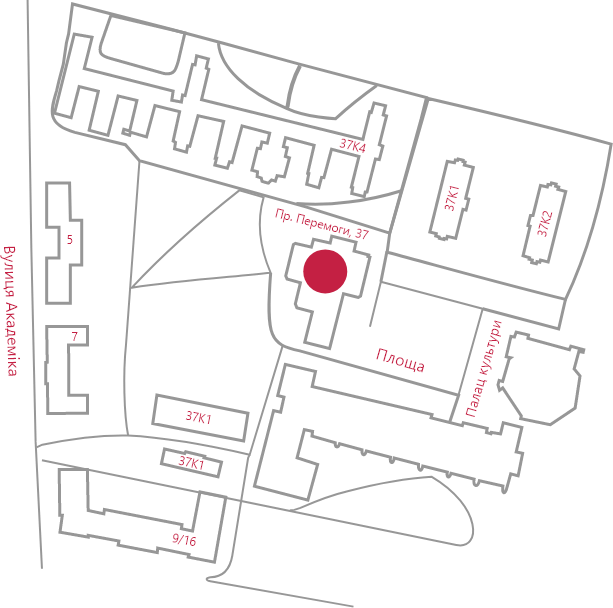
- in person: at the library (1st floor, room 1.5);
- by email: data.library.kpi@gmail.com;
- or request a consultation or training session via Zoom or in person.
TOPICS FOR RESEARCHER CONSULTATIONS/TRAINING
Data Management Planning:
- consulting on the development of Data Management Plans (DMPs);
- assistance in meeting grantors’ requirements for research data management;
- recommendations on organizing file structures, naming conventions, and file version control.
Data Collection and Processing:
- consulting on data formats, structure, and best practices for data documentation;
- assistance in creating metadata in accordance with international standards.
Data Storage and Protection
- Advice on secure data storage during the active research phase;
- Assistance in developing a backup strategy and effective version control;
- Recommendations on confidentiality, anonymization, and the protection of sensitive data within the context of a specific project.
Data Publication and Sharing
- Advice on data licensing;
- Advice on digital identifiers (DOI, ORCID, ROR);
- assistance in selecting a disciplinary or general-purpose repository and in the data upload process;
- assistance in adhering to the FAIR principles (Findable, Accessible, Interoperable, Reusable);
- recommendations on ensuring access to data and its reuse.
BENEFITS FOR RESEARCHERS
- improved quality and reliability of research data;
- time savings through efficient research data management methods;
- Compliance with grantors’ requirements;
- Increased visibility and impact of research through open access to data;
- Facilitated collaboration with other researchers;
- Guaranteed long-term preservation of data and access to it.